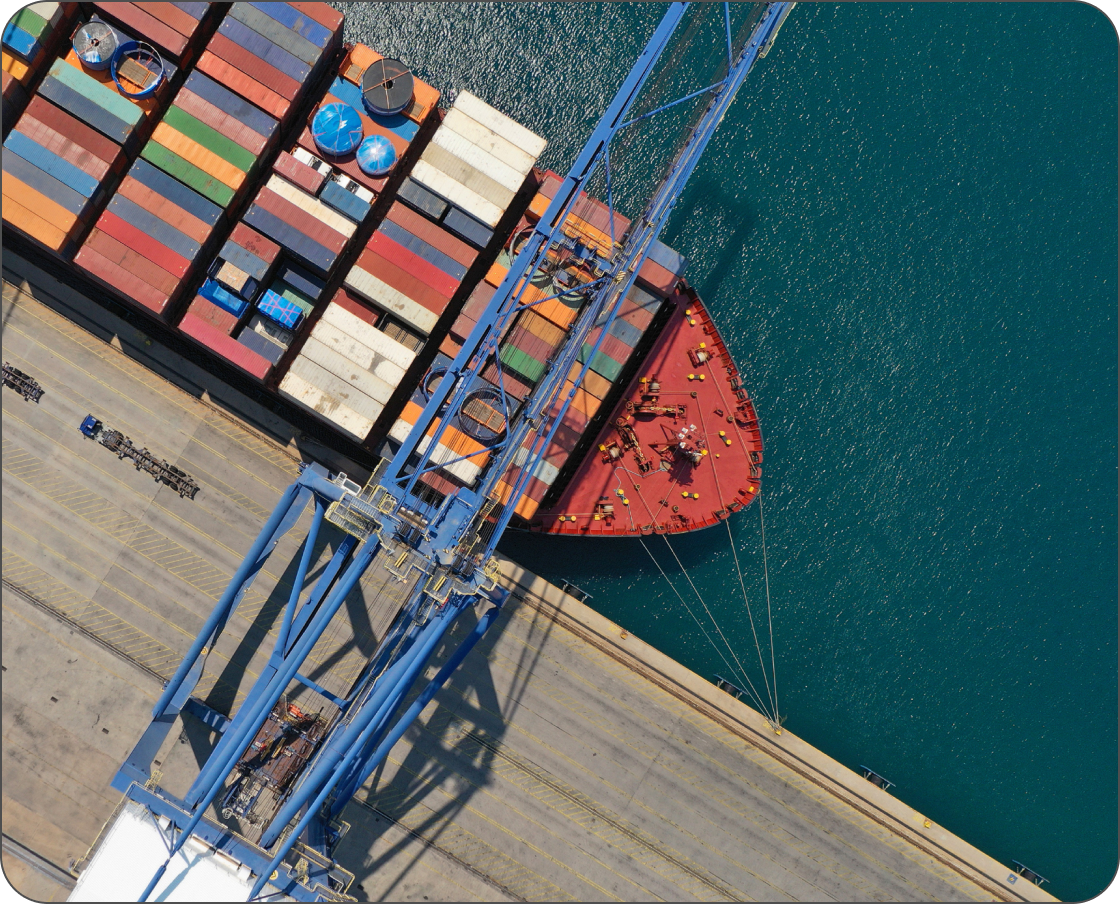
Industrial zone monitoring that verifies every operation
Critical operations happen every day. Manual records miss too much
Industrial camera monitoring system for real-time operational control
Automatically log events and access live data, historical records, images, timestamps, metadata, and status from one centralized platform.
Industrial applications of computer vision across complex operations


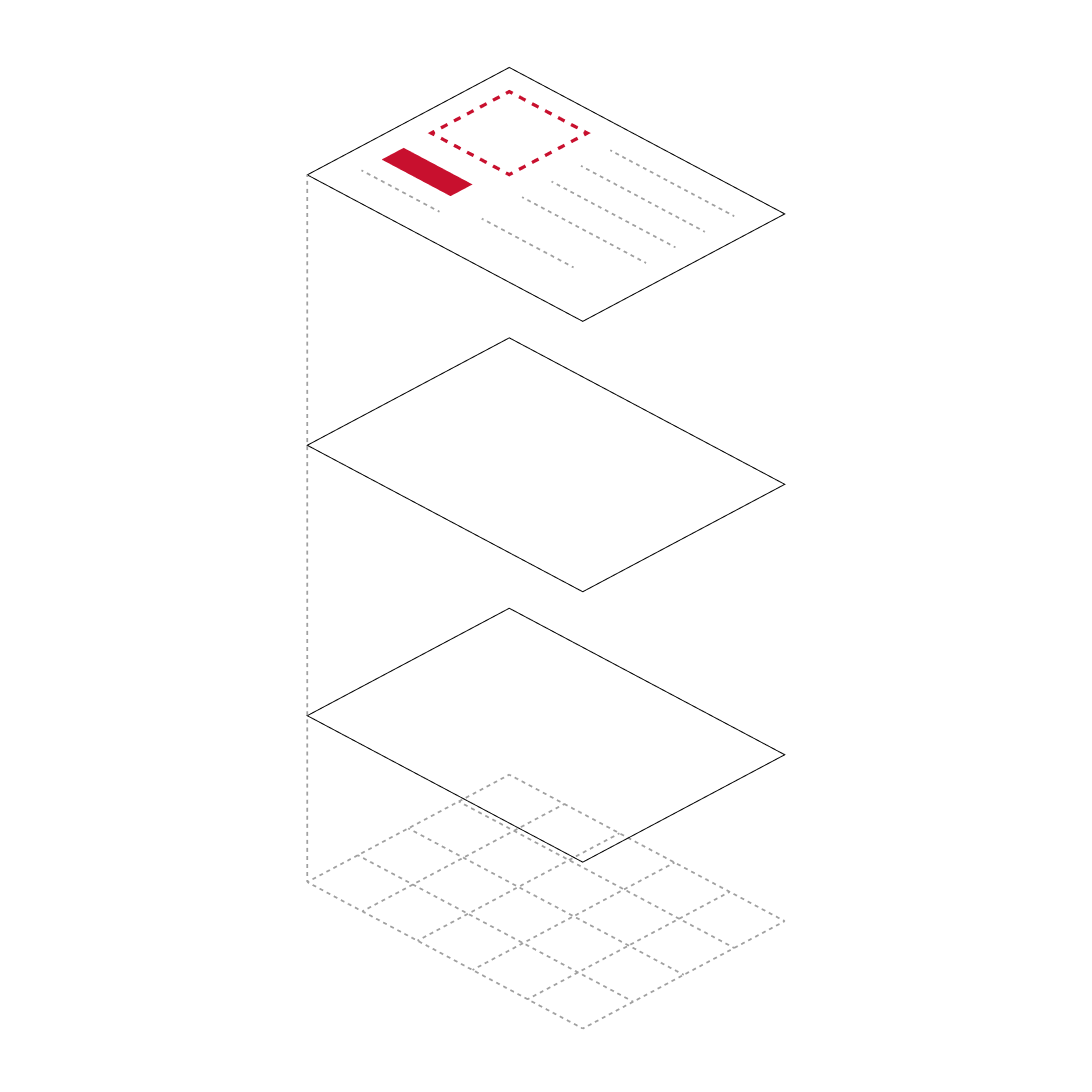
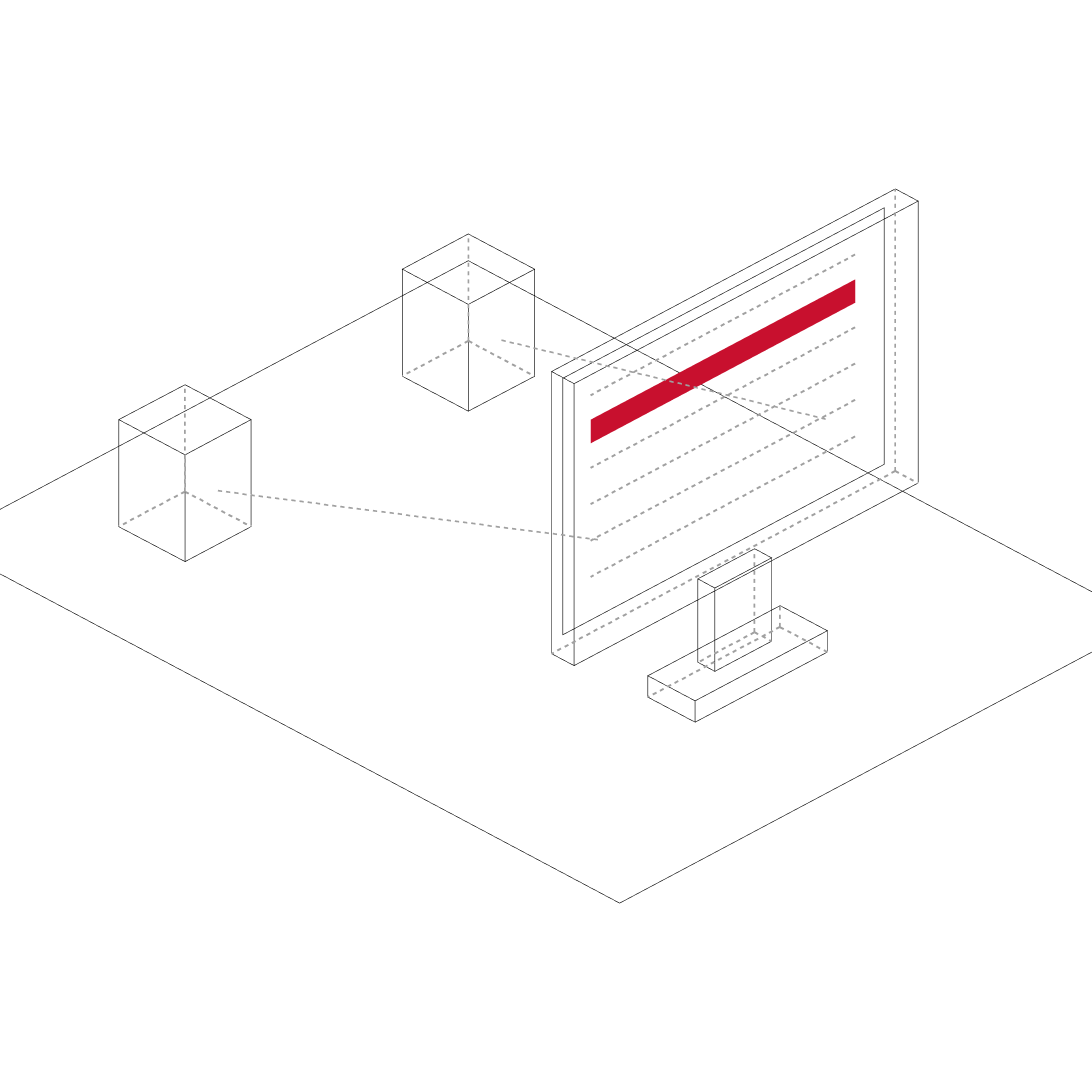
How does industrial monitoring work?



|
|
Identify the processes, operational zones, equipment, resources, and events to monitor.
|
|
|
|
Use suitable camera infrastructure and, where applicable, additional data such as GPS positioning or information from existing systems.
|
|
|
|
Optimize AI models and business rules around the specific objectives.
|
|
|
|
Cameras and computer vision algorithms continuously analyze defined operational zones and recognize configured activities, equipment, and events.
|
|
|
|
Relevant movements and activities are automatically recorded.
|
|
|
|
Use operational data to identify bottlenecks, understand utilization, support maintenance planning, and continuously improve processes.
|
Use case

Ports
Convert existing port camera networks into structured data to automate cargo tracking, improve safety compliance, and speed up turnaround times.
FAQ
Industrial zone monitoring uses cameras and AI-powered computer vision to recognize configured activities, equipment, vehicles, assets, and workflow events. LMT Deepvision’s solution converts those observations into structured digital records that can support operational management, billing, reporting, and analytics.
An industrial camera monitoring system continuously analyses predefined operational zones. AI models detect configured objects and activities, identify relevant events, and create records with timestamps, images, and metadata for further review or integration.
Yes. Industrial zone monitoring can automatically document configured billable services and create traceable service records for easier invoicing. This reduces dependence on manual logging and helps operations and finance teams identify services that could otherwise be missed or difficult to verify.
Yes. LMT Deepvision supports REST API integration with ERP, billing, airport, port, and other operational systems. Integration requirements are defined according to the customer’s existing technology environment and workflow.
Industrial zone monitoring solutions can use existing camera infrastructure or add new cameras where additional coverage is needed. Deployment typically includes a site and workflow assessment, AI configuration, business rule setup, optional system integrations, and validation under real operating conditions.
Scale industrial zone monitoring across processes and sites
Expand your industrial solutions portfolio with AI-powered industrial zone monitoring
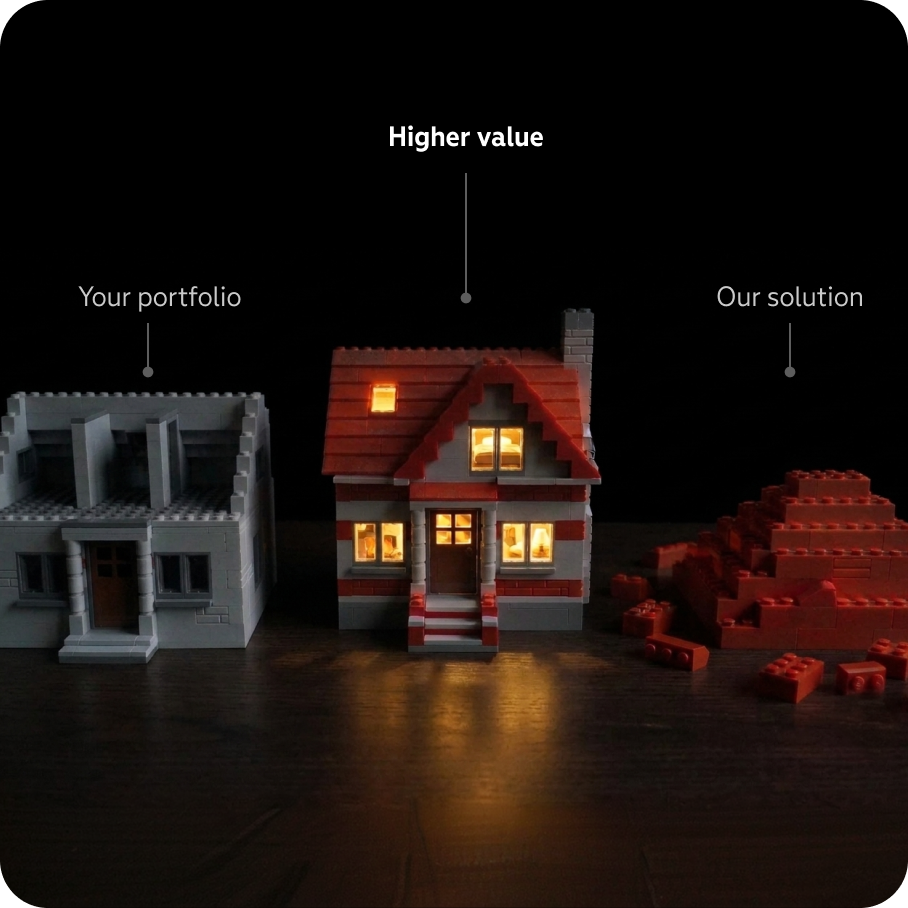
Expand your solution portfolio
Add AI-powered industrial zone monitoring solutions to your existing automation, surveillance, IoT, and operational technology offering without building the computer vision stack from scratch.
Deliver more value from existing infrastructure
Turn suitable camera infrastructure into an industrial camera monitoring system that tracks equipment, resources, processes, and operational events in real time.
Address more industrial use cases
Support multiple industrial applications of computer vision, from process and equipment monitoring to restricted-zone detection, service verification, and operational analytics.
Deliver end-to-end operational solutions
Combine computer vision, equipment tracking, automated event records, analytics, and integrations with existing management, ERP, and operational platforms.
Create recurring service opportunities
Build long-term customer relationships through deployment, system integration, AI optimization, support, monitoring, maintenance, and expansion to additional sites and use cases.
Monitor what matters. Master your operations
Show us the services, equipment, and workflows you need to monitor. LMT Deepvision will assess the operational environment, identify automation opportunities, and define a suitable pilot scope.