

Computer vision for operational efficiency

How computer vision can help increase operational efficiency
Computer vision can improve operational efficiency across nearly every industry. Whether it’s a port trying to move cargo faster, a factory trying to cut waste, or a transit hub looking to keep people moving safely, computer vision can significantly reduce or even eliminate manual checks and human error. The result is greater operational efficiency, more reliable processes, and lower long-term costs.
This article explains what computer vision is, how it can improve operational efficiency, the business areas it can improve, and what all of that looks like in practice. So, without further ado, let’s get started.
What is computer vision and how can it improve operational efficiency?
How computer vision works
Essentially, computer vision interprets visual data and converts it into actionable information. The process begins with cameras and sensors (such as LiDAR – Light Detection and Ranging) capturing images or videos of the physical world. Machine learning (ML) models – typically convolutional neural networks – then analyze this information to identify specific patterns they have been trained to detect. For example, computer vision might detect a surface defect on a product, an incoming vehicle approaching a checkpoint, or a person crossing a monitored threshold. The more examples an ML model sees during training, the more reliably it can pick out that same pattern in dynamic real–world footage. Depending on the task, it can classify objects, pinpoint their location, or track their movement over time.
How computer vision transforms operational efficiency
The real operational efficiency value of computer vision lies in automation: instead of requiring a person to sit in front of a monitor or physically walk a site to check things, the system can run continuously in the background. That data can be integrated directly into the business tools a team already uses, whether that means instantly flagging a safety violation the moment it happens or automatically logging a shipment’s volume the instant a truck pulls in for weighing. For situations where even a few seconds of delay matters, processing can also happen on–site (rather than routing footage through the cloud first).
Continuous insights and long-term value
Computer vision insights can create long-term value by helping organizations identify problems early, reduce costs, and make more effective operational decisions. Unlike periodic audits, spot-checks, or manual logs, which capture only part of daily activity, computer vision creates a continuous record of operations. Over time, this data can reveal recurring patterns and help identify their underlying causes.
By capturing details that might otherwise go unnoticed, computer vision can help organizations address issues proactively, reducing downtime and maintenance costs over the long term. These insights can also inform decisions about staffing, facility layout, and further process improvements.
Business areas computer vision can make more efficient
Now, let’s look at some real-world examples of where LMT Deepvision has implemented computer vision to improve operational efficiency.
- Quality control and measurement: Our automated cargo measurement system uses AI, computer vision, and 3D sensing to scan vehicles, calculate volumes, and automatically cross-check them against delivery documentation, cutting processing time per delivery while removing measurement errors from the process.
- Safety, compliance, and maintenance: Complex sites such as airports and manufacturing facilities have traditionally relied on manual labor to track equipment, verify safety compliance, and manage workflow events. LMT Deepvision’s industrial monitoring solution can automate these processes – it can register equipment entering and exiting work zones, flag unauthorized access, use the data to schedule predictive maintenance, and more.
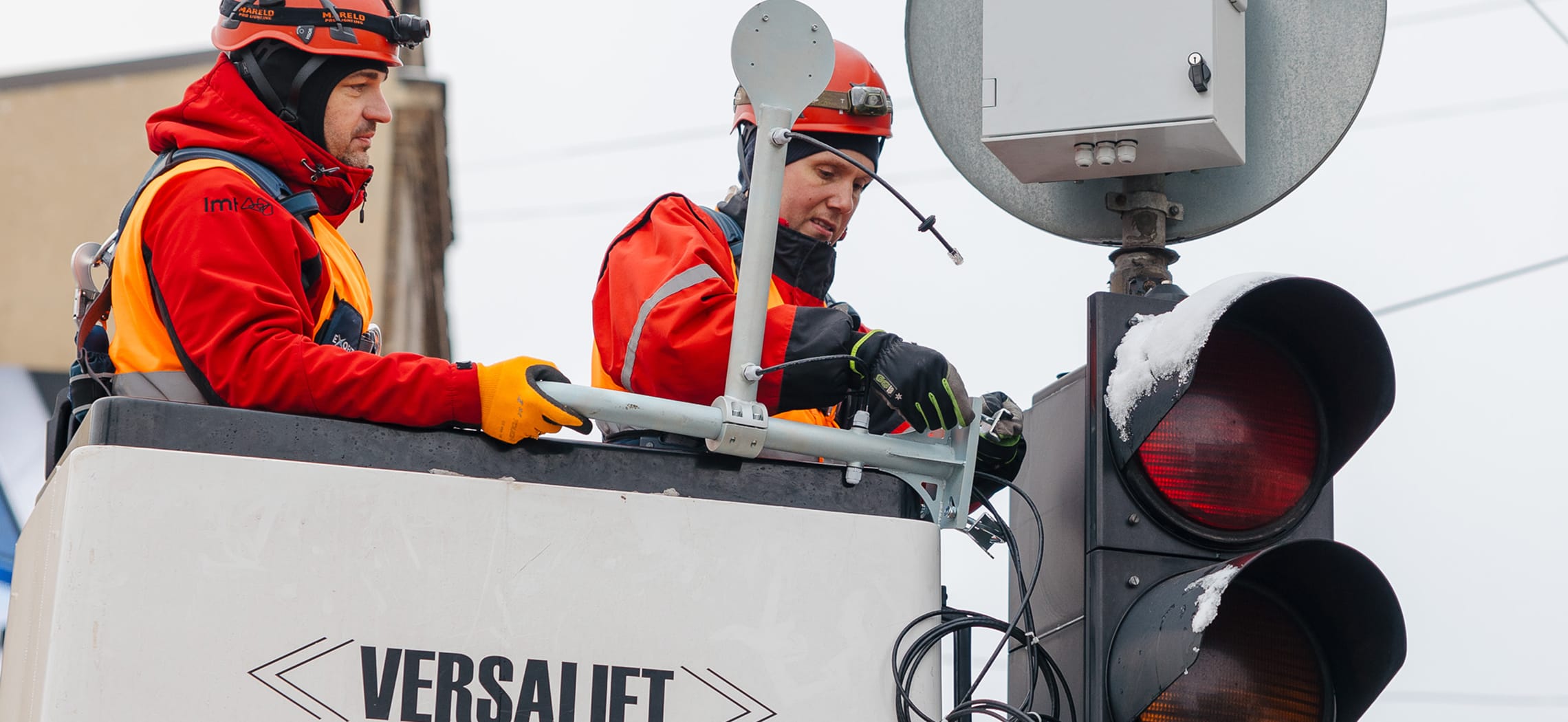
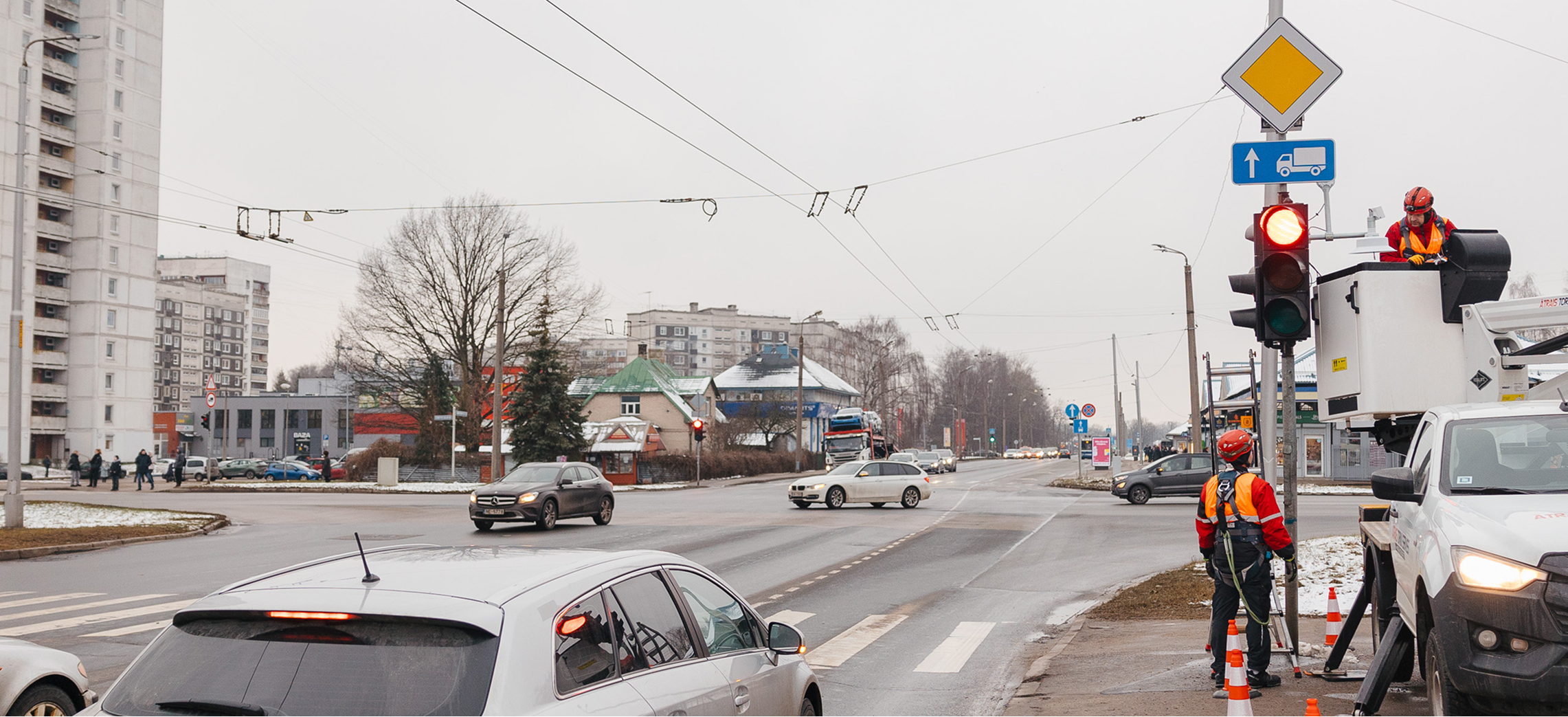
- Urban mobility analytics: Understanding how pedestrians, cyclists, and vehicles move through a city often depends on short-term manual surveys and fragmented data. LMT Deepvision’s urban mobility analytics solution uses AI and computer vision to turn feeds from suitable existing cameras or standalone edge devices into real-time and historical insights. It counts, classifies, and tracks different road users, revealing traffic flows and movement patterns that help cities identify bottlenecks, plan infrastructure, and measure the impact of mobility decisions.
- Traffic enforcement and road safety: LMT Deepvision’s automated traffic enforcement system detects violations, captures digital evidence, and creates prosecution-ready case files, helping authorities expand enforcement coverage while reducing manual processing.
- Workflow and coordination automation: Coordinating arrivals, schedules, and notifications at busy transport hubs like bus terminals has traditionally required significant manual effort and staff resources. LMT’s automated bus terminal management system, already in use at the Riga International Bus Terminal, automates license plate identification, schedule tracking, and passenger notifications.
Transform manual processes with computer vision
As existing use cases demonstrate, computer vision can be adapted to the specific needs of different industries and scenarios. The more a process relies on manual observation, the greater the opportunity to automate it and improve operational efficiency. For organizations still relying on error-prone manual processes, computer vision offers a more consistent, reliable way to collect accurate insights while reducing long-term costs.
Contact us to explore how computer vision can support your operations.